
Introduction
Did you know that with the right care, your wood cutting board can last for decades? It’s not just a kitchen tool—it’s a piece of craftsmanship from Wilbur Woodworking that deserves a little love. Whether you’re chopping vegetables, slicing meat, or simply admiring its natural beauty, a well-maintained wood cutting board can elevate your kitchen experience. In this complete guide, we’ll walk you through every step of wood cutting board care, from cleaning and sanitizing to conditioning and troubleshooting. Our goal? To help you keep your board beautiful, hygienic, and durable—outshining even the best advice out there.
Unlike plastic alternatives, wood cutting boards bring warmth and character to your kitchen. But they require specific care to stay in top shape. With expert tips and a touch of woodworking passion, this guide will ensure your board remains a trusted companion for years to come.
Table of Contents
Why Wood Cutting Board Care Matters
A wood cutting board is more than just a surface—it’s a functional work of art. Proper wood cutting board maintenance keeps it safe, long-lasting, and stunning. Here’s why it’s worth the effort:
- Hygiene: Wood has natural antibacterial properties, but without regular care, bacteria can linger—especially after cutting raw meat. Cleaning and sanitizing keep it safe for food prep.
- Durability: With the right attention, your board can withstand years of use without cracking or warping, saving you from frequent replacements.
- Aesthetics: A cared-for board showcases its rich grain and smooth texture, adding elegance to your kitchen.
- Sustainability: Wood is renewable and eco-friendly. By extending its life through proper care, you’re making a green choice.
At Wilbur Woodworking, we handcraft each board with precision and pride. A little care ensures it becomes a kitchen heirloom you’ll pass down.
How to Clean Your Wood Cutting Board
Cleaning is the foundation of wood cutting board care. Follow these steps after every use to keep it in pristine condition:
- Rinse with Hot Water: Start by rinsing the board under hot water to wash away food particles and loose debris.
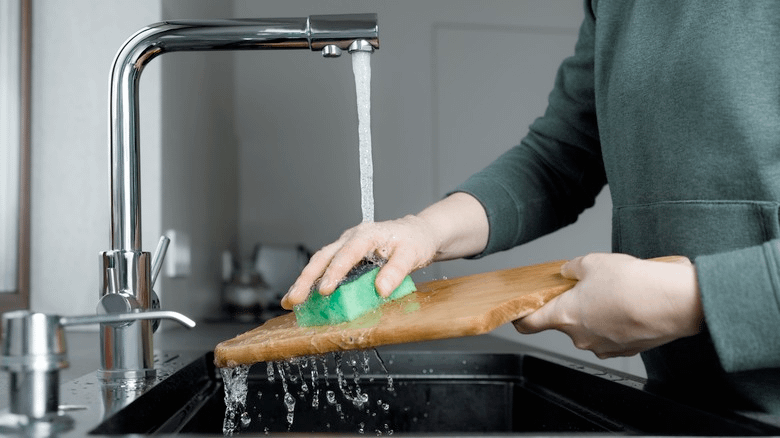
- Scrub with Mild Dish Soap: Apply a small amount of mild dish soap and scrub with a sponge or soft brush. Focus on knife marks and grooves where bacteria can hide.
- Rinse Thoroughly: Wash off all soap to avoid leaving residue that could affect the wood’s flavor or finish.
- Dry Immediately: Pat the board dry with a clean towel, then stand it upright to air dry completely before storing.
Unique Tip: Got stubborn stains? Sprinkle coarse salt over the board and scrub with half a lemon. The salt gently abrades while the lemon’s acidity lifts stains naturally—no harsh chemicals needed.
What Not to Do:
- Don’t Use the Dishwasher: The intense heat and prolonged water exposure can warp or crack the wood.
- Don’t Soak: Submerging the board in water causes it to swell, leading to damage over time.
Why does this matter? Thorough cleaning prevents bacteria buildup and preserves the board’s integrity, ensuring it’s ready for your next meal.
Sanitizing Your Wood Cutting Board
Sanitizing your wooden cutting board after handling raw meat is essential to keep your kitchen safe and hygienic. One of the best, most natural ways to do this is by using white vinegar, a gentle yet effective sanitizer that’s non-toxic and kind to your wood. Unlike harsher alternatives, vinegar won’t damage the wood’s surface or leave behind harmful residues, making it a smart choice for both your health and the environment.
Why Vinegar Works
Vinegar’s acetic acid content gives it natural antibacterial properties, capable of tackling common kitchen germs like E. coli and Salmonella. Plus, it’s eco-friendly—using vinegar reduces your reliance on chemical cleaners, making it a sustainable option for a greener kitchen.
Step-by-Step Instructions
Here’s how to clean and sanitize your cutting board with vinegar:
- Wash First: Start by washing your cutting board with warm, soapy water to remove food particles and grease. Use a sponge or cloth to scrub gently, then rinse thoroughly.
- Apply Vinegar: Pour undiluted white vinegar over the entire surface of the board. For easier application, you can transfer it to a spray bottle and mist it evenly.
- Let It Sit: Allow the vinegar to sit for 5–10 minutes. This gives it time to break down bacteria and neutralize odors (goodbye, raw meat smell!).
- Rinse and Dry: Rinse the board with clean water, then pat it dry with a clean towel. Stand it upright to air dry completely—moisture is the enemy of wood, so don’t skip this step!
Quick Tips
- Odor Bonus: Vinegar naturally deodorizes, leaving your cutting board fresh without synthetic fragrances.
- Storage: Keep a bottle of vinegar under your sink for easy access—it’s affordable and versatile for other cleaning tasks too.
Takeaway
Using vinegar is a simple, safe, and effective way to sanitize your wooden cutting board. It’s gentle on the wood, tough on germs, and better for the planet. Next time you’re prepping meat, reach for the vinegar and enjoy peace of mind with every chop.
Conditioning Your Wood Cutting Board
Conditioning keeps your board from drying out, cracking, or losing its luster. Here’s how to oil your wood cutting board like a pro:
- Choose the Right Product: Use food-grade mineral oil or a beeswax-based conditioner. Avoid olive or vegetable oils—they can turn rancid and leave a sticky mess.
- Steps to Condition:
- Ensure the board is clean and completely dry.
- Apply a generous layer of oil with a soft cloth, covering all surfaces (top, bottom, and sides).
- Let it soak in for several hours—or overnight for best results.
- Wipe off any excess with a clean cloth.
- How Often?: Oil every few weeks, or whenever the wood looks dry or feels rough.
Unique Tip: DIY your own conditioner! Melt 1 part beeswax with 4 parts mineral oil in a double boiler. This blend creates a thicker, longer-lasting protective layer.
Regular conditioning prevents cracks and enhances the wood’s natural sheen, making it both functional and beautiful.
Storing Your Wood Cutting Board
Proper storage is key to avoiding damage. Here’s how to store your board correctly:
- Keep It Upright: Store the board vertically in a dry, well-ventilated spot to allow air circulation on all sides.
- Avoid Heat and Sunlight: Keep it away from stoves, ovens, or windows—heat and UV rays can warp or fade the wood.
- Don’t Stack Without Space: If you own multiple boards, use a rack to separate them and prevent moisture buildup.
Unique Advice: Hang your board on a wall hook. It saves counter space and doubles as a rustic kitchen display.
Improper storage can lead to mold, warping, or cracks. A little thought here goes a long way.
Troubleshooting Common Issues
Even with great care, wear happens. Here’s how to fix common problems:
- Cracks: Apply food-safe wood glue into the crack, clamp the board for 24 hours, then sand smooth and re-oil.
- Scratches: Lightly sand with 220-grit sandpaper to smooth the surface, then recondition with oil.
- Warping: Place the board on a flat surface, dampen the concave side, and weigh it down with heavy objects for a day. Severe warping may be permanent.
- Odors: Rub with a paste of baking soda and water, let it sit for 5 minutes, then rinse and dry.
Advanced Tip: To revive an old board, sand it deeply with coarse sandpaper to remove grooves and stains, then finish with fine sandpaper and a fresh coat of oil. It’ll feel brand new!
These fixes can breathe new life into a worn board, saving you from replacing it.
FAQ: Wood Cutting Board Care
Got questions? We’ve got answers:
- Can I use olive oil on my wood cutting board?
No—olive oil can go rancid, leaving a bad smell and sticky residue. Stick to mineral oil. - How often should I oil my cutting board?
Every few weeks, or when it looks dry. Heavy use might mean monthly conditioning. - Can I put my wood cutting board in the dishwasher?
Nope. The heat and water will warp or crack it—hand-washing is the way to go. - How do I remove stains from my cutting board?
Try a baking soda paste or the salt-and-lemon trick for a natural clean. - Is it safe to cut raw meat on a wood cutting board?
Yes, if you sanitize it properly afterward. Wood’s natural properties help, but cleaning is key.
These answers tackle the most common concerns, empowering you to care for your board confidently.
Conclusion
Your wood cutting board is a kitchen MVP—and with these expert tips, it’ll stay that way for years. From cleaning your wood cutting board to sanitizing, conditioning, and troubleshooting, a little effort preserves its function and beauty. At Wilbur Woodworking, we craft boards built to last, and we’re thrilled to help you maintain them.
Ready to upgrade your kitchen? Check out our handcrafted wood cutting boards and find your perfect match. Have a tip to share or a question? Drop it in the comments below—we’d love to hear from you! Subscribe to our newsletter for more woodworking tips and inspiration.